How to Choose the Right CPAP Mask
Author: CPAP Club Date Posted:28 April 2026
Choosing the right CPAP mask is one of the most important decisions you'll make on your sleep apnea treatment journey. Get it right and your therapy becomes something you barely notice — you simply wake up feeling rested. Get it wrong and you're fighting leaks, pressure marks, or a mask that feels suffocating before you've even fallen asleep.
The good news: there's a reliable process for narrowing down your options. If you're after a quick overview of the three mask types, our CPAP mask type FAQ covers the basics at a glance. This guide goes deeper — walking through the key questions to ask about your own sleep habits, the factors that most people don't think about until after they've bought the wrong mask, and some practical tips for getting the fit right the first time.
The three main types of CPAP mask
All CPAP masks fall into one of three categories. Each has a distinct design, a different contact area on your face, and a different set of use cases. Understanding the difference is the foundation of any good mask choice.
Full face masks
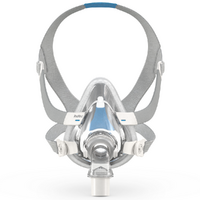
Resmed N20
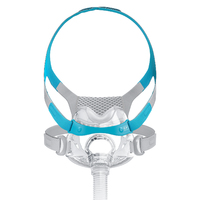
Fisher & Paykel Evora Compact
Full face CPAP masks create a sealed cushion around both the nose and mouth. They deliver pressurised air to both airways simultaneously, which means your mouth can stay open during sleep without any loss of therapy pressure. This makes them the most versatile option — and for many people, the most reliable.
Modern full face masks have come a long way from the bulky designs of a decade ago. Under-the-nose designs like the ResMed AirFit F40 sit below the nostrils rather than over the nose bridge, dramatically reducing facial contact and pressure marks. Magnetic clips, soft silicone cushions, and minimal-frame designs have made full face masks far more comfortable than their reputation suggests.
Best suited for: mouth breathers, people who require higher pressure settings, those with frequent nasal congestion, and anyone whose mouth tends to fall open during sleep.
Nasal masks

Philips DreamWear UtN
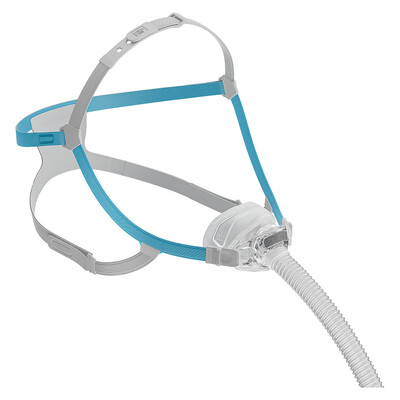
Fisher & Paykel Nova Nasal
Nasal CPAP masks cover the nose from bridge to upper lip, delivering airflow through the nose only. They offer a good balance between coverage and comfort — more stability than nasal pillows at higher pressures, while remaining lighter and less intrusive than a full face option.
Nasal masks work well across a wide range of pressure settings and are available in an extensive variety of shapes to suit different nose profiles. The main limitation is straightforward: they require your mouth to stay closed during sleep. If your mouth opens, pressurised air escapes and you'll likely wake up with a dry mouth — or not stay asleep at all.
Best suited for: nose breathers who want more stability than nasal pillows, people on moderate to higher pressure settings, and those who move around during sleep but still breathe through their nose.
Nasal pillow masks

Resmed AirFit P30i Pillow mask
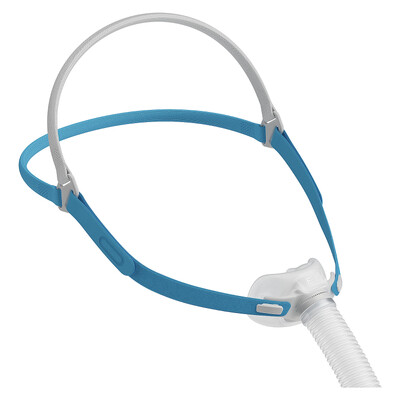
Fisher & Paykel Nova Micro Pillow
Nasal pillow masks are the most minimal option available. Instead of covering the nose, they use small soft inserts — "pillows" — that sit at the entrance of the nostrils and direct air directly into the nasal passages. There's minimal contact with the face, no nose bridge seal to maintain, and a completely clear field of vision.
Because they have so little contact area, nasal pillows are the preferred choice for anyone who finds larger masks claustrophobic. Side sleepers love them too — there's no frame to be pushed out of position by the pillow. The trade-off is that they can feel uncomfortable at higher pressure settings, as the direct airflow into the nostrils becomes more pronounced.
Best suited for: side sleepers, active sleepers who move frequently, people who feel claustrophobic in larger masks, those with facial hair, and anyone on lower to moderate pressure settings who breathes through their nose.
Hose connection: front or top-of-head?
Within each mask category, you'll notice that some models have the hose connecting at the front of the mask — at the nose or mouth — while others route the hose up and over the top of the head. This is a more important distinction than it might seem, and it's worth understanding before you choose.
Front-connected masks
Traditional front-connected masks have the breathing tube exiting directly from the cushion or frame, pointing away from the face. This is the design most people picture when they think of a CPAP mask — and it works well for back sleepers. For side sleepers and active sleepers, though, the tube can pull to one side as you move, dislodging the seal or simply becoming uncomfortable over the course of the night.
Examples include the ResMed AirFit F20, AirFit N20, AirFit P10 as well as the Fisher & Paykel Evora range, Nova Nasal and Nova Micro.
Top-of-head (overhead) connected masks
Overhead tube masks route the hose up through the headgear and exit from the crown of the head, running along the top of the pillow and away from the face entirely. The result is a much freer range of movement — you can roll from side to side, sleep face-down, or move frequently during the night without the tube getting in the way or creating drag on the mask.
For side sleepers in particular, an overhead connection is often a game-changer. The tube simply follows you as you roll, rather than resisting. Many people who struggled with a front-connected mask find a significant improvement just by switching to an overhead design.
Examples include the ResMed AirFit F30i, AirFit N30i, and AirFit P30i — as well as the Philips DreamWear range, which uses an overhead connection across its full face, nasal, and nasal pillow variants.
The trade-offs are worth knowing before you commit. Overhead masks tend to have slightly more headgear structure, and some people find them bulkier to fit. They can also run a little noisier than front-connected masks — and if you're using your CPAP without a humidifier, that noise can be more noticeable still, as the humidifier chamber normally helps baffle the sound of airflow.
Key questions to ask before you choose
Knowing the mask types is only half the picture. The other half is understanding your own needs. These five questions will point you toward the right category before you've even looked at a single product page.
Are you a mouth breather or a nose breather?
This is the single most important factor in CPAP mask selection. If you breathe through your mouth during sleep — or if your mouth tends to fall open — a full face mask is almost certainly the right starting point. A nasal mask or pillow mask will allow all that pressurised air to escape through your open mouth, which is uncomfortable and means your therapy isn't working effectively.
Not sure? Wake up with a dry mouth or sore throat in the morning? That's a strong signal your mouth is opening during sleep, even if you're unaware of it.
What's your preferred sleeping position?
Back sleepers have the most flexibility — almost any mask style and hose connection type is comfortable for sleeping on your back. Side sleepers and active sleepers who move throughout the night benefit most from masks with a low profile and an overhead tube connection, which keeps the hose out of the way regardless of which direction you roll. Nasal pillow masks are typically the best fit here, followed by overhead-connected nasal or full face masks such as the ResMed AirFit F30i, N30i, or P30i — or the Philips DreamWear range.
Do you have facial hair?
Full face and nasal masks rely on a silicone cushion making full contact with the skin around the nose and mouth. A beard or moustache disrupts that seal, which leads to air leaks. Nasal pillow masks seal at the nostrils only, which means facial hair around the mouth and cheeks is a non-issue. If you have significant facial hair and a full face mask is clinically necessary, look for masks with a memory foam cushion — these conform more readily to an uneven surface than standard silicone.
Do you experience claustrophobia or anxiety about wearing a mask?
This is more common than most people realise, particularly among newly diagnosed patients. If the idea of having a mask covering your face feels anxiety-inducing, starting with a nasal pillow mask and some more open designed nasal masks makes a lot of sense. The open design, minimal contact area, and clear sightlines make the adjustment period considerably easier for many people. You can always try a different mask type once you're comfortable with CPAP therapy.
What pressure setting has your sleep specialist prescribed?
Pressure plays a role in which mask types are practical. Very high pressure settings can make nasal pillows uncomfortable, as the force of air into the nostrils becomes noticeable. Full face and nasal masks distribute that pressure more comfortably. If you're on a high fixed pressure or your auto CPAP regularly reaches the higher end of its range, discuss this with your supplier when choosing a mask.
A note on "For Her" masks
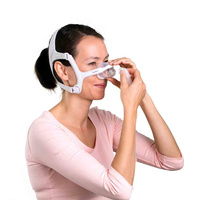
Several brands — most notably ResMed — offer "For Her" versions of their most popular masks. These aren't cosmetically different products — they typically feature smaller, more contoured headgear and frames designed to fit the proportionally smaller head and facial structure that many women have. If you're a woman who has tried a standard mask and found it difficult to fit well, a "For Her" variant is worth trying.
Getting the size right
Every CPAP mask manufacturer provides a sizing guide, and most sell masks in small, medium, and large cushion sizes. Most brands also make printable sizing templates available on their websites and on our product pages — print one, hold it to your face, and you'll have a reliable starting point before you order.
A well-fitted mask should feel snug but not tight. The cushion should hold a seal without requiring heavily over-tightened headgear — if you're pulling the straps very tight to stop leaks, the cushion is likely the wrong size or shape for your face. Red marks from a mask that's been worn overnight are normal, but they should fade within an hour or so of waking. Persistent marks suggest the fit isn't right.
If you're buying online from us and unsure about sizing, our team is happy to help — reach out before you order rather than after.
Frequently asked questions
What is the most comfortable type of CPAP mask?
Comfort is personal, so there's no single answer — but nasal pillow masks are typically the easiest to adjust to, particularly for new CPAP users. Their minimal contact area means less to get used to, and the open design reduces the sensation of wearing something on your face. That said, many people find full face masks very comfortable once properly fitted, especially newer under-the-nose designs that sit below the nostrils.
Can I use a nasal mask if I have a beard?
It depends on the beard. A nasal mask needs to seal along the skin from nose bridge to upper lip. A full beard disrupts this seal significantly, which tends to result in air leaks and reduced therapy effectiveness. Nasal pillow masks are generally a much better fit for people with facial hair, as the seal is at the nostril only. If a full face mask is needed clinically, look for a memory foam cushion option — it conforms better to uneven surfaces than silicone.
What should I do if my mouth keeps falling open while using a nasal mask?
A CPAP chin strap can help hold the jaw closed during sleep, which prevents mouth breathing from undermining nasal mask therapy. However, if your mouth opens regularly and a chin strap doesn't solve the problem comfortably, the more reliable solution is switching to a full face mask — it's designed specifically for this situation.
How often should I replace my CPAP mask?
Manufacturers generally recommend replacing the mask cushion every three to six months and the full mask assembly every six to twelve months. Silicone degrades over time, which reduces the quality of the seal and can cause leaks even when the mask appears undamaged. If you notice more frequent leaks, skin irritation, or visible wear on the cushion, it's time for a replacement.
Do CPAP masks fit all CPAP machines?
Most CPAP masks use a standard 22mm cuff connector and are compatible with the vast majority of CPAP, APAP, and BiPAP machines. The main exception is the ResMed AirMini travel CPAP, which requires specific ResMed mask adapters due to its compact design.
Ready to find your mask?
The right CPAP mask is the one you'll actually wear — comfortably, every night. Take the time to match your mask type to your breathing habits, sleeping position, and personal comfort preferences, and your chances of long-term therapy success improve considerably.
Browse our full range of CPAP masks from leading brands including ResMed, Fisher & Paykel, Philips Respironics, and BMC — or explore by type: full face masks, nasal masks, and nasal pillow masks.